yin yang
Yin and Yang: Which Is Which and What the Colors Mean
Black is yin, white is yang. Here is the full checklist for telling them apart by light, temperature, time, and direction, and why the same thing is both.
· 10 min read

Yin and yang explained without the usual misreading: two phases of one cycle, how to tell them apart, and where they show up at home and in daily life.
3 articles
Black is yin, white is yang. Here is the full checklist for telling them apart by light, temperature, time, and direction, and why the same thing is both.
Every room already leans yin or yang. Learn to read light, texture, sound, and density, then adjust each space for the energy its purpose actually needs.

Yin and yang is not good vs evil. It is a way of seeing balance in everything. Understand the meaning and apply it to your home, work, and daily routines.
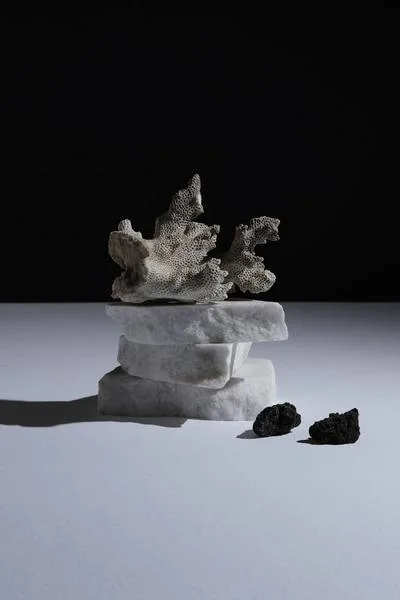
It describes two phases of a single cycle, not good against evil. Yin is the shaded, cool, still, inward half. Yang is the lit, warm, active, outward half. Each one carries the seed of the other, which is what the two dots inside the symbol show.
Black is yin and white is yang. The rest of the checklist runs the same way: dark, cold, slow, dense, and downward read as yin, while bright, warm, fast, light, and upward read as yang. The label only holds in comparison, so the same thing can be either one depending on what it sits against.
Neither is better. The tradition treats them as two halves of one rotation, the way night and day are two halves of one day. A home, a meal, or a schedule goes wrong when one side runs without the other, not because one side is inferior.
No. The right ratio depends on what the space or the activity is for. A kitchen should run mostly yang and a bedroom mostly yin. What you want is a rhythm across the whole home, not an even split in every room.