i ching
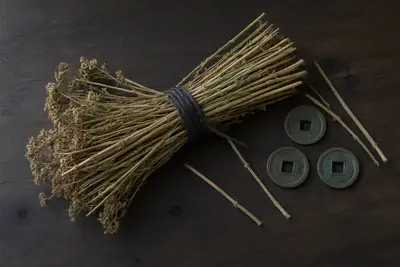
How to Cast an I Ching Reading: Coins vs Yarrow Stalks
The yarrow stalk method and the three-coin method produce different odds and a different kind of reading. Here is how each one works and which to choose.
· 9 min read
The I Ching (Book of Changes) is one of the oldest books in the world. Learn how to consult it, what the 64 hexagrams mean, and how to apply its wisdom.
8 articles
The yarrow stalk method and the three-coin method produce different odds and a different kind of reading. Here is how each one works and which to choose.
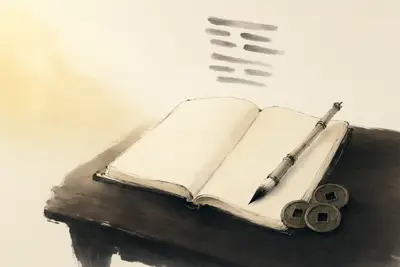
An I Ching journal turns scattered readings into a record you can learn from. Here is how to log your questions, record each cast, and review the patterns.
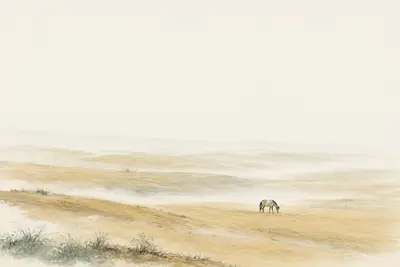
Kun is the second hexagram of the I Ching. Six yin lines form earth below earth. Read the judgment, the image, and its lines to understand the Receptive.
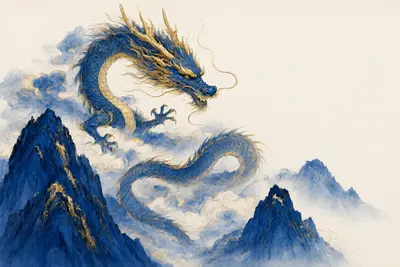
Qian is the first hexagram of the I Ching. Six yang lines form heaven above heaven. Read the judgment, the image, and lines to understand the Creative.
The I Ching is not only for big decisions. Five hexagrams appear in daily life. Learn to read Qian, Kun, Kan, Yi, and Gen, and what to do when they appear.
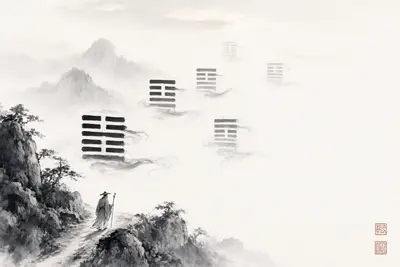
When you are stuck between two choices, the I Ching does not choose for you. It shows what each path contains. A practical guide with a sample reading.

A complete quick-reference guide to all 64 I Ching hexagrams: names, Chinese characters, trigram pairs, and one-line meanings. Find your hexagram fast.
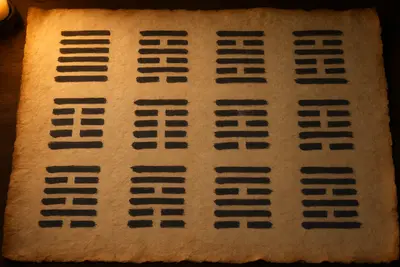
The I Ching is one of the oldest books in the world and still one of the most practical. What it is, how to consult it, and what the 64 hexagrams mean.

The I Ching is consulted for guidance on decisions where the right course of action is unclear. It does not predict the future - it describes the present situation and how it is likely to evolve, helping you see what you might be missing.
Traditionally, you toss three coins six times to build a hexagram (six lines, each solid or broken). Each hexagram corresponds to one of 64 chapters. Modern methods use apps or online tools, but the coin method remains the classic approach.
All three share the same frameworks: yin and yang, the five elements, and the eight trigrams (bagua). The I Ching defines 64 hexagrams from trigram combinations - the same trigrams used in the feng shui bagua map.