How to Cleanse Crystals: 5 Safe Methods for Clearing Energy
Cleanse crystals with running water, salt, moonlight, smoke, or sound. Each method suits different stones, and the right timing keeps every crystal clear.
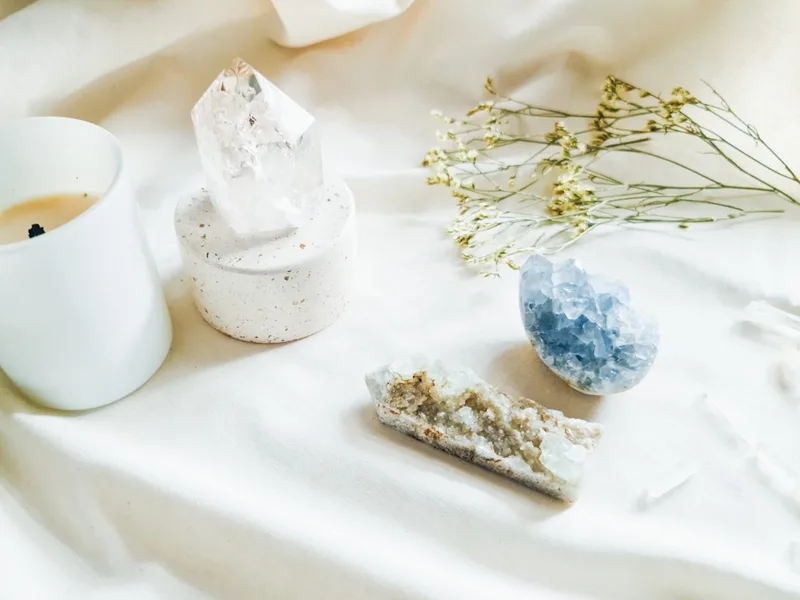
The first time I cleansed a crystal, I did it wrong. A friend had given me a small pyrite cube, and I read online that salt water was the classic way to clear stones. So I dropped it in a bowl of salt water and left it overnight. The next morning the cube had a layer of rust-colored film and a dull finish that never came back. I had followed the right instinct and the wrong instruction, because salt water is not for every stone.
That mistake taught me the real rule of crystal cleansing. The method has to match the mineral. What clears a clear quartz will damage a selenite, and what works on an amethyst can be too harsh for a pyrite. Once you match the stone to the method, cleansing is simple, cheap, and takes almost no time.
Here are the five methods that cover nearly every crystal you will own, and the stones each one suits.
Why crystals need cleansing at all
Crystals are believed to absorb the energy around them, the way a sponge soaks up water. Every stone you carry, wear, or keep in a room picks up the moods and stresses of that space. A crystal worn through a difficult week at work is thought to hold that tension. A stone gifted to you carries the energy of the previous owner until it is cleared.
Cleansing resets the stone to a neutral state. It does not change the crystal itself. It clears what the crystal has collected so it can work fresh again, the way you wash a cup between uses rather than replacing it.
You will know a crystal needs cleansing before you read any schedule. It feels heavy, greasy, or just off in your hand. It stops feeling like it responds to you. Some people describe it as a stone going quiet. When that happens, cleanse it. When it does not, a simple monthly rinse is enough.
1. Running water
Running water is the fastest and most available method. Hold the crystal under lukewarm tap water for a minute or two, or under natural running water if you have a stream nearby. Warm, not hot. Cold water works but takes longer, and hot water can crack stones that have internal fractures.
This method suits the quartz family best: clear quartz, amethyst, citrine, rose quartz, smoky quartz, and agate. These are hard, nonporous stones that take water easily.
Running water is wrong for a whole group of minerals. Selenite dissolves in water. Calcite and fluorite are soft enough that water can dull their surface over time. Pyrite rusts. Malachite should never sit in water, and halite is salt, so it would simply dissolve away. If your stone is one of these, or you are not sure what it is, skip the water and use moonlight or smoke instead.
Dry the crystal with a soft cloth afterward. A wet stone left on a porous surface can leave a mark, and water spots dull the polish if you let them dry on the face.
2. Salt
Salt is the method my pyrite taught me to respect. Used correctly, it is powerful. Used blindly, it damages. The difference comes down to which stone you place in it.
There are two ways to use salt. Dry salt burial means burying the crystal in a bowl of dry sea salt or Himalayan salt overnight, then brushing the salt off the next morning. Salt water means dissolving salt in water and soaking the stone for a few hours.
Dry salt burial suits sturdy stones like quartz, tiger’s eye, and carnelian. It works well for stones that have absorbed something heavy, because salt is thought to draw energy out rather than just washing it away.
Salt water is the harshest method on this list. Keep it for hard, nonporous stones only, and never for a stone with cracks or a rough surface, because salt collects in the crevices and is hard to rinse out. Selenite, calcite, fluorite, pyrite, malachite, hematite, and any metallic or soft stone should stay far away from salt in either form.
Rinse the stone well after a salt cleanse. Leftover salt residue can scratch the surface or leave a white film.
3. Full moonlight
Moonlight is the gentlest method and the only one that works on every crystal without exception. On the night of the full moon, place your crystals where the moon can reach them. A windowsill, a balcony, or a garden table all work. Leave them from dusk until morning.
The full moon is traditional because it is the brightest and most complete, but any clear night works if you do not want to wait. Even a few hours of direct moonlight will clear a stone that feels heavy.
This method is ideal for the water-sensitive stones that the first two methods threaten. Selenite, calcite, fluorite, and any stone you cannot identify can all go in the moonlight safely. It is also the best choice for large collections, because you can lay out dozens of stones at once with zero effort.
A note on sunlight. Sunlight is sometimes grouped with moonlight as a cleansing method, but it behaves differently. Sun can fade amethyst, citrine, rose quartz, and other colored stones over time, especially in strong summer light. When in doubt, choose the moon. It cleanses without the fading risk.
4. Smoke
Smoke cleansing, sometimes called smudging, passes the crystal through the smoke of a cleansing herb or resin. White sage and palo santo are the most common, but plain incense works too. Light the bundle, let it produce a steady stream of smoke, and pass each crystal through it a few times while setting your intention to clear it.
This method suits almost every stone. It is especially useful for stones that cannot touch water or salt, because smoke reaches them without any physical contact. It is also the traditional choice in many practices for clearing a stone that has been used in healing work or passed through many hands.
Smoke works well across a whole room. Wafting it around a space clears the room at the same time as the stones in it, which makes it efficient when your collection lives together.
Two practical cautions. Open a window so the smoke does not linger too heavily. And hold sensitive stones at a reasonable distance from the flame. The smoke is the cleanser, not the fire.
5. Sound
Sound cleansing uses vibration instead of contact. A singing bowl, a tuning fork, a bell, or even a recorded tone clears a crystal when the sound washes over it. Place the stone near the source of the sound and let the vibration run over it for a minute or two. With a singing bowl, many people set the crystal inside the bowl or right beside it.
Sound is the gentlest active method and suits every stone, including the most fragile. It is the safest option for stones with cracks, for very soft minerals, and for any piece you are nervous about handling. It also clears a whole tray of crystals at once if you place them around the bowl.
Some practitioners use sound after another method as a finishing step. A crystal that has been buried in salt or soaked in water gets a final pass of the singing bowl to settle it back to a clean, calm state.
Sound has no downsides for the stone itself. The only requirement is that you can tolerate the tone, so if a singing bowl grates on you, a tuning fork or a phone recording works just as well for the crystal.
How to choose between the methods
If you remember only one thing, remember this. Match the method to the mineral.
A quick way to sort your collection. Hard quartz family stones, amethyst, citrine, and agate can take water, salt, moonlight, smoke, or sound, so use whatever is convenient. Soft and water-sensitive stones like selenite, calcite, fluorite, and pyrite stay with moonlight, smoke, or sound only. And stones you cannot identify default to moonlight or sound, the two methods that never hurt.
For a regular rhythm, a monthly full-moon cleanse keeps everything in your collection clear with almost no effort. For daily-wear pieces like bracelets and pendants, add a quicker cleanse every week or two, whichever method suits the stone.
Cleansing is the part of crystal care that keeps every other part working. A clear stone responds, holds its color, and does the job you brought it home for. Start with the full moon this month. It is free, it is gentle, and it is impossible to get wrong.
If you are building a collection from scratch, the guide to the top ten feng shui crystals tells you which stones earn a permanent place in a home. For a stone matched to your five-element profile, the Five Elements Crystal Guide sorts crystals by element and suggests pairings for your chart. And if you prefer a printed companion, the Crystal Guide Ebook collects 40-plus stones with care notes you can keep forever.
Frequently Asked Questions
How often should I cleanse my crystals?
Wearable stones that you carry daily, like bracelets and pendants, benefit from a cleanse every one to two weeks. Stones that sit on a shelf can go a month or more. Cleanse a stone right after you buy it, after a long emotional stretch, and any time it feels heavy or dull in your hand.
Which crystals should not go in water?
Selenite dissolves, calcite and fluorite are soft and may dull or crack, and pyrite rusts. Malachite is toxic in water, and halite is literally salt, so it would dissolve away. When in doubt, use moonlight or smoke instead of water for any stone you cannot identify.
Can I cleanse all my crystals together in one bowl of salt water?
No. Salt water is the harshest of the five methods and can damage soft, porous, or metallic stones. If you are not certain a stone is hard and nonporous, keep it out of salt water entirely. For mixed collections, moonlight or sound is the safer blanket option.
What is the gentlest way to cleanse a crystal?
Full moonlight overnight is the gentlest method and works on every stone, including selenite and other water-sensitive crystals. Place the crystal where the moon reaches it, or on a windowsill, and leave it from dusk until morning.