The Top 10 Feng Shui Crystals and Where to Place Them
The ten feng shui crystals that earn a permanent spot in a home, from clear quartz at the door to citrine in the wealth corner, and why each works there.
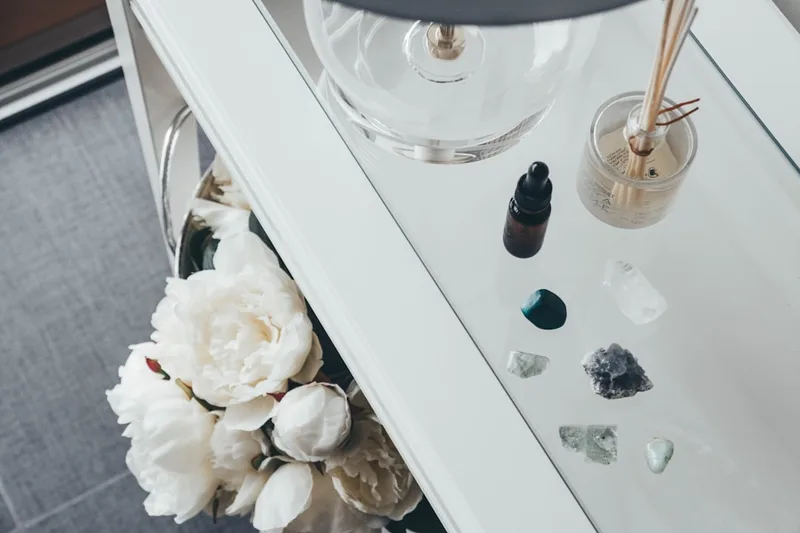
I bought my first feng shui crystal years before I understood placement, and it sat on a shelf doing nothing. It was a nice stone. It was also useless, because it was in the wrong room for the wrong reason. Crystals are not magic objects that radiate benefits in every direction. They are tools with a specific job, and like any tool, they work only when you put them where the work is.
That is the whole logic of feng shui crystal placement. The bagua map divides your home into nine areas, each tied to a life theme: wealth in the southeast, love in the southwest, career in the north, reputation in the south. Place a stone that matches an area’s intention, and it quietly supports that part of your life. Put the same stone in the wrong area, and at best it does nothing. At worst it amplifies the wrong thing, the way clear quartz beside a work desk will amplify your focus and beside your bed will amplify your racing thoughts.
Here are the ten crystals that earn a permanent place in most homes, and the exact spot where each one works.
1. Clear quartz: the amplifier, near the entry
Clear quartz is the only stone in this list with no specific bagua area, because it does not carry its own energy. It amplifies whatever is already in the room. That makes it the most flexible crystal you can own, and also the one that punishes careless placement most quickly.
Put clear quartz near the front door, on a console table or shelf where you can see it as you enter and leave. The entry sets the tone for the whole home. A clear quartz there takes whatever mood you walk in with, the stress of the commute or the rush of a good day, and broadcasts it through the house. Keep it visible and cleanse it weekly. It picks up everything, including the energy you would rather not share.
2. Black tourmaline: the shield, at the front door
Black tourmaline is the stone for boundaries. Practitioners describe it as a filter that catches negative energy before it travels deeper into the home. You can read that literally or as a reminder to check your own mood at the door. Either way, the placement is the same.
Place black tourmaline by the front door, either side, low to the ground. It does not need to be visible. A cluster on the floor behind a shoe rack works. If you live in an apartment where the door opens straight into the living room, put it on the floor beside the door frame. This is one of the few crystals where bigger is genuinely better. A palm-sized piece anchors the entrance far more effectively than a thumbnail cluster.
3. Rose quartz: the heart stone, in the southwest
The southwest corner of your home is the love and relationship area in the classical bagua. Rose quartz is its natural match. The soft pink stone is tied to the heart: romantic love, self-acceptance, friendship, the kind of emotional warmth that makes a house feel inhabited rather than occupied.
Place rose quartz in the southwest corner of the room where your household actually gathers, usually the living room. A pair of tumbled stones on a shelf, or a single larger piece on a side table, signals the intention clearly. If you are single and looking for partnership, many practitioners suggest placing it in the southwest of your bedroom instead. Keep it away from the bathroom. Water and the drain carry the energy away, and the love area needs to hold rather than release.
4. Citrine: the abundance stone, in the southeast
The southeast is the wealth corner, and citrine is the stone most often recommended for it. Its warm golden color carries the fire of prosperity without the aggression of red. Where some wealth stones work slowly, citrine is considered one of the more immediately active ones, which is why it shows up on so many desks and cash boxes.
Place citrine in the southeast corner of your living room or home office. If your home has no obvious southeast room, use the southeast corner of the room where you handle money, even if that is the kitchen table where you pay bills. Keep the stone in plain sight, never in a drawer. The wealth area rewards visibility. A citrine on a windowsill that catches morning light is doing its job.
5. Green jade: the slow accumulator, also southeast or east
Green jade is the classic Chinese stone for wealth, but it works differently from citrine. Where citrine attracts fast movement, jade builds steady, long-term accumulation. It is also tied to the wood element and to health, which is why Chinese families have passed down jade bracelets and pendants for generations.
Place green jade in the southeast for financial steadiness, or in the east for family health and harmony. The east is the health and family area of the bagua. A jade plant is a popular double signal: the plant itself carries wood energy, and a jade crystal buried in the soil or set beside the pot reinforces the intention. Jade does not need frequent cleansing. Many practitioners treat it as a stone that absorbs slowly and holds what it takes in.
6. Amethyst: the calmer, in the bedroom or northeast
Amethyst quiets mental noise. Its purple color has been tied to spiritual authority and clear thinking for centuries, and its practical effect is the same: it settles a busy mind. That makes it the stone for rooms where you need to slow down.
Place amethyst in the bedroom, but across the room from the bed rather than on the bedside table. The bedroom is for rest, and amethyst is gently stimulating despite its calming reputation. A cluster on a dresser or a shelf softens the room’s energy without keeping your mind engaged. Amethyst also works in the northeast corner of a study, the knowledge and wisdom area, where its clarity helps with learning and meditation.
7. Carnelian: the motivator, in the south or at your desk
Carnelian is the stone for momentum. Its red-orange color ties it to the fire element and to the south, the fame and reputation area of the bagua. Where amethyst pulls you inward to rest, carnelian pushes you outward to act.
Place carnelian in the south area of your living room if you want your work or projects to be seen, or on your desk if you need to start things you have been avoiding. It is a useful stone for creative work, public speaking, and any situation where you need to project confidence you are not entirely feeling. Keep it out of the bedroom. Its fire energy runs against everything the bedroom is trying to do.
8. Tiger’s eye: the stabilizer, in the north or home office
Tiger’s eye is a grounding stone with a sharp edge. Its golden-brown bands carry both earth and fire energy, which makes it useful for practical decisions: money, career moves, negotiations, anything where you need to stay clear-headed under pressure.
Place tiger’s eye in the north corner of your home, the career area, or on your desk during difficult work conversations. Many people keep one in a pocket during meetings and hold it when the discussion turns confrontational. It is one of the few crystals that works as well on your person as it does in a room, because its job is steadying you rather than altering a space.
9. Selenite: the cleanser, wherever you keep your other crystals
Selenite does not need to be placed in any particular bagua area, because its job is not to influence a life theme. Its job is to cleanse every other crystal in your collection. Selenite is believed to reset stones that have absorbed too much energy, and it is one of the few crystals that does not need cleansing itself.
Place a selenite wand or plate wherever you store your crystals. Set your other stones on it overnight to reset them, especially after intense emotional work or a stressful week. A small selenite tower also works as a standalone presence in a meditation corner or on a home altar. Keep it dry. Selenite is soft and water damages it.
10. Smoky quartz: the grounder, at your desk or entry
Smoky quartz is the stone for when you feel scattered. Its translucent brown color carries earth energy, and its effect is described as grounding: it settles mental static and helps you stay in your body. It is a gentler alternative to black tourmaline for people who find black tourmaline too heavy.
Place smoky quartz on your desk if you work from home, or by the entry if you want a lighter protective presence than black tourmaline. It also works well in a shared living space where you want to absorb the ambient stress of other people without blocking connection entirely. Smoky quartz and clear quartz are a common pairing: smoky at the door to filter, clear in the main room to amplify what is left.
How to choose where to start
Ten crystals is a full collection, not a shopping list. Buying all ten at once scatters your attention and your budget. Instead, walk through your home and answer one question: which area feels weakest?
If money stress keeps you up, start with citrine in the southeast and clear quartz at the entry. If arguments outnumber laughter, start with rose quartz in the southwest. If you cannot focus anywhere, start with smoky quartz at your desk and tiger’s eye in the north. Each stone answers a specific problem. Buy the one that answers yours first, live with it for a few weeks, and only then decide whether the next one is needed.
Whatever you choose, keep three rules in mind. Keep the stone clean, because a dusty crystal is a neglected intention. Keep it visible, because placement only works when you actually see the reminder. And keep it in the right room, because the bagua area matters more than the size or price of the stone.
Placement is the part of feng shui people skip, because buying a crystal is easy and positioning it takes thought. The thought is where the value is. A rose quartz in the right corner does more than ten crystals in a drawer, and the difference is not the stone. It is the attention you gave the space.
For a fuller breakdown of which stones match your element, the Five Elements Crystal Guide sorts crystals by Wood, Fire, Earth, Metal, and Water and suggests pairings for your chart. If you prefer a printed reference, the Crystal Guide Ebook collects 40-plus stones with placement notes you can keep forever.
Frequently Asked Questions
Do I need all ten of these crystals?
No. Two or three placed where your home needs them most beat ten scattered everywhere. If you are starting from zero, buy clear quartz for the entry, black tourmaline for the front door, and citrine for the wealth corner. Add the rest only when you have lived with the first set and noticed what your space actually asks for.
Which crystal should I put in the wealth corner?
Citrine is the standard choice for the southeast wealth area. Green jade works as a slower, steadier alternative, and pyrite suits a home office where money decisions happen. Keep the stone visible and clean. A dusty crystal in a dark corner reads as neglect, and the energy you are trying to attract follows the example you set.
Can I place crystals in the bedroom?
Yes, with one rule: keep them away from the bedside table and out of direct line with your head while you sleep. Amethyst on a dresser across the room promotes calm without keeping your mind active. Rose quartz belongs in the southwest relationship corner of the room, not on the pillow. Crystals are mildly stimulating by nature, and the bedroom is the one room that needs to stay still.
How do I know which crystal my home needs?
Walk through your home and name the area that feels weakest. Money stress points to the southeast. Constant arguments point to the southwest. Trouble focusing points to your desk, wherever it sits. Each crystal in this list answers one of those specific problems. If you are still unsure, our crystal guide tool matches stones to your five-element profile and tells you where each one works.