Five Elements Diet: Eat for Your Element
Five element eating links each taste to an organ pair. Here is how to read cravings, match food to your element, and build plates that keep five balanced.
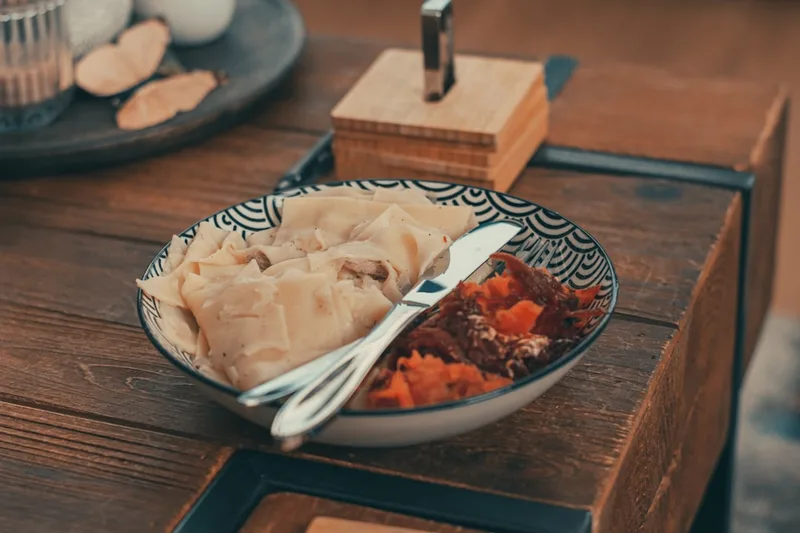
A friend once asked why she craved chocolate every afternoon around four. She was weeks into a job search, and the willpower that normally held had started to fail at the same hour each day. I did not hand her a rule. I asked what the craving felt like. Sweet, heavy, the thing you reach for when you are drained from choosing. In five element terms that craving is a report, not a character flaw. She had spent the morning moving from one decision to the next, and sustained decision-making, in the traditional view, taxes the Earth.
Earth is the element of the spleen and the stomach, and its taste is sweet. A baked sweet potato or a spoon of honey answers what her body was actually asking for. A chocolate bar answers it too, but loud and fast, and it leaves the same organs more tired than before. That is the difference between eating for your element and eating at it.
The five element diet is not a modern invention and it is not a calorie plan. It comes from an old Chinese way of classifying food that sorts meals by taste and temperature rather than by protein grams. Five elements, five tastes, five organ pairs, and the whole system runs best when the tastes stay in rough balance over days, not meals. Lean on one taste until it becomes a habit and the imbalance eventually talks back, often as a craving for whatever you have been missing.
The five tastes and what they feed
Before food became nutrients, it was flavors, and each flavor had a destination. The old medical texts put it plainly: sour enters the liver, bitter enters the heart, sweet enters the spleen, pungent enters the lungs, salty enters the kidneys. Taste is the courier. This table is the whole map in one glance.
| Element | Taste | Organs | Season | Everyday foods |
|---|---|---|---|---|
| Wood | Sour | Liver and gallbladder | Spring | Lemon, vinegar, lime, pickles, green apple |
| Fire | Bitter | Heart and small intestine | Summer | Bitter greens, bitter melon, green tea, coffee |
| Earth | Sweet | Spleen and stomach | Late summer | Whole grains, sweet potato, squash, dates |
| Metal | Pungent | Lungs and large intestine | Autumn | Ginger, garlic, scallion, radish, mint |
| Water | Salty | Kidneys and bladder | Winter | Seaweed, miso, black beans, slow broth |
The table compresses a great deal. Here is what each pairing means at the table, rather than in a textbook.
Wood tastes sour
The sour taste pulls energy inward and downward. It shows up in vinegar, lemon, lime, pickled vegetables, tamarind, and the first tart fruits of spring. Wood is the element of the liver, and the liver’s job in this system is to keep everything moving smoothly: bile flowing, mood unstuck, plans advancing. A sharp sour note at the start of a meal wakes the digestion up, which is why so many cuisines open with something pickled.
Sour belongs to spring, the season of Wood. When the weather turns green, the traditional plate tilts toward sprouts, young leaves, and a squeeze of lemon over whatever is fresh.
Fire tastes bitter
Bitter is the taste people avoid most often and the one modern plates most often lack. It arrives in bitter melon, dandelion greens, radicchio, green tea, and coffee taken without sugar. Fire is the element of the heart and the small intestine, and bitter cools and clears. When summer heat leaves you sluggish or the mind races at night, a bitter note is the traditional corrective. Fire people, whose hearts run hot, usually need this taste more than they think they want it.
Earth tastes sweet
Sweet is the taste of Earth, of the spleen and the stomach. Before anyone worries about sugar, notice what the word meant in the old system: not confectionery, but the naturally sweet, neutral foods that fuel digestion. Whole grains, sweet potato, pumpkin, carrot, squash, dates. Earth is the center of the wheel, the element that turns food into usable energy, and its season is the short hinge of late summer when the harvest begins to come in. This is the taste you reach for when you are run down, because it is the taste of fuel itself.
The problem with refined sugar is not that it is sweet. It is that it delivers the sweet signal with nothing for the spleen to work with: no fiber, no minerals, no slowness. The body gets the message and none of the substance, which is why the four o’clock chocolate fix wears off and leaves you reaching again by five.
Metal tastes pungent
Pungent is the taste of Metal, of the lungs and the large intestine, and it works by moving things. Ginger, garlic, scallion, radish, mustard greens, a few leaves of fresh mint. Where sour gathers and bitter clears, pungent disperses. It opens the sinuses, starts the sweat, gets stuck energy moving again. When a cold is trying to arrive, the folk remedy across China is a bowl of hot ginger broth, and this is the reasoning underneath it.
Metal owns autumn and its color is white. As the air turns crisp, the traditional plate moves toward pungent roots and pale foods: ginger, garlic, daikon radish, pear, and white rice as the steady center.
Water tastes salty
Salt is the taste of Water, of the kidneys and the bladder, and it works by drawing things downward and inward. This is the taste that has to stay modest. A little sea salt, a spoon of miso, a sheet of nori, black beans, black sesame, a bone broth simmered slowly. Water is the element of depth and of winter, when energy drops below the ground line and the body wants food that is warming, slow, and grounding.
Too much salt is not a Water treatment. It is a Water overdose. The tradition asks for the mineral depth of seaweed and broth, not a heavier hand with the shaker.
Cravings are a report, not a request
Everyone has a craving, and the five element reading of them runs against common sense. You would assume a craving tells you what your body lacks. Sometimes it does. More often it tells you what has been overworked, and the taste you reach for is the support a tired organ is calling in.
The person who wants sweets at four in the afternoon has usually been thinking hard all day, and sustained thinking taxes the spleen, Earth. The person who craves salt has often been running on adrenaline, and the kidneys, Water, are asking for an anchor. The person who wants something spicy is usually asking for movement, Metal’s job, because they have been sitting still, in body or in mood. The person who craves bitter is often simply running hot and looking for what cools them.
None of this is a license. Craving chocolate is not a prescription for a chocolate bar, and craving salt is not permission to oversalt every meal. The craving names the element that needs attention. The food choice is where you get to be clever. Swap the signal for the substance: roasted sweet potato or oatmeal with dates instead of candy, miso soup or black beans instead of the salt shaker, ginger tea instead of another latte, and if it is bitter you are after, green tea gives it to you without the sugar.
A plate in five colors
The fastest way to eat for all five elements without memorizing anything is to use color, because each element carries a color that runs beside its taste. Wood is green, Fire is red, Earth is yellow, Metal is white, Water is black. A plate that holds most of those colors at once has already spread the tastes around, whether or not you were thinking about elements.
This is why the traditional Chinese meal looks the way it does: a spread of small dishes rather than a single pile. One green dish for Wood, one red for Fire, one yellow for Earth, one white for Metal, one dark for Water, rice as the neutral center. You do not need all five at every meal. Across a day, aim to land each color at least once, and the week takes care of itself.
A day in this pattern might look like this. Oatmeal with dates and a scatter of black sesame for breakfast covers Earth, Water, and a little Metal in the grain. Lunch is a bowl with leafy greens, some chicken, a spoon of pickled cabbage, and a strip of nori, which touches Wood, Metal, and Water. Dinner is a slow thing: root vegetables and a broth with ginger, which brings in Earth, Water, and the pungent warmth of Metal. By the end of the day every color has appeared, and no single taste ran the table.
Eat with the season
The five element diet is not a fixed menu. It rotates, because each element owns a season, and the body follows the year with or without your help.
Spring belongs to Wood: young greens, sprouts, a sour note to wake the liver. Summer belongs to Fire: bitter leaves, melon, cucumber, meals kept light so the heart does not labor in the heat. The hinge of late summer belongs to Earth, when squash, corn, and the first grains of the harvest carry the plate. Autumn belongs to Metal: ginger and garlic and radish as the air cools and the body prepares to draw inward. Winter belongs to Water: soups, roots, seaweeds, and slow-cooked things that warm from the inside.
Right now, where I am writing, the season has just tipped into autumn, which is Metal’s time. The practical read of that is simple: a little more ginger and garlic in the cooking, a little less cold food straight from the fridge, and white things back on the table. You do not have to follow the calendar strictly. Even a loose seasonal tilt puts the tastes in rotation, and rotation is most of the balance.
What this diet is not
It helps to set boundaries around a framework like this, because food advice attracts overreach.
It is not a weight loss program. Some of the foods it favors, like grains and winter roots, are heavy by design. People have lost weight eating this way because they stopped eating out of boredom and started eating with attention, but that is a side effect, not the point.
It is not a medical treatment. In Chinese tradition, food therapy has always run alongside medicine, never instead of it. If you have a diagnosed condition, follow your doctor or dietitian first, and treat any element advice as background reading.
It is not a reason to override your own body. Food allergies and intolerances take priority over every element rule. If a food disagrees with you, you do not eat it, no matter how well it maps to your element. The system was written to serve real bodies, not the other way around.
The four o’clock chocolate friend did not quit sugar overnight. She put a bowl of roasted sweet potato on the counter and kept a jar of honey next to the kettle, and the daily wall got softer. Nothing dramatic happened. That is the honest outcome of this diet. It does not promise transformation. It promises that when you eat with the elements instead of against them, the body stops having to shout for what it needs.
If you do not yet know which element leads, the Five Elements Quiz takes about two minutes and returns your dominant and secondary elements. The Five Elements Personality Report goes further and maps your chart against each element, including a section on the foods and habits that keep yours steady. For the foundations of the whole system, start with the Complete Guide to the Five Elements, or read Which Five Elements Are You? to see how the elements show up in personality before they show up on the plate.
Frequently Asked Questions
What is the five elements diet?
It is a traditional Chinese way of classifying food by taste and thermal nature, not a weight loss plan. Five elements carry five tastes, and each taste feeds one pair of organs: Wood is sour and feeds the liver, Fire bitter and feeds the heart, Earth sweet and feeds the spleen, Metal pungent and feeds the lungs, Water salty and feeds the kidneys. The goal is rough balance across the tastes over days and weeks.
How do I know which element I am?
A short personality quiz is the fastest starting point, and a full reading from your birth date and time settles it. Your cravings give a second clue: a persistent pull toward one taste often points to the element that has been overworked and needs support, not the element you already have in surplus.
Do I have to give up foods from the other elements?
No. The five element diet does not work by elimination. It works by spread. Every taste is useful in its season and in moderation, and a plate that carries several colors already carries several elements. Balance is measured over a week, not inside a single meal.
Can the five elements diet treat a health condition?
No, and it was never meant to. In Chinese tradition food therapy runs alongside medicine, never instead of it. If you have a diagnosed condition, a food allergy, or an intolerance, follow your doctor or dietitian first. No element logic overrides your body's actual reaction to a food.
I am Fire dominant. Which foods should I emphasize?
Bitter and cooling foods, because bitter enters the heart and clears heat: bitter melon, dandelion greens, radicchio, green tea, cucumber, watermelon. In hot seasons a Fire-dominant person does well to go lighter on chilies and heavy red meat, which add fuel to a fire that is already running.