Feng Shui Plants: 10 That Actually Improve Your Home's Energy
Not every plant helps your feng shui. 10 that actually work: bagua placement, element match, care tips, and three popular plants that create sha qi instead.
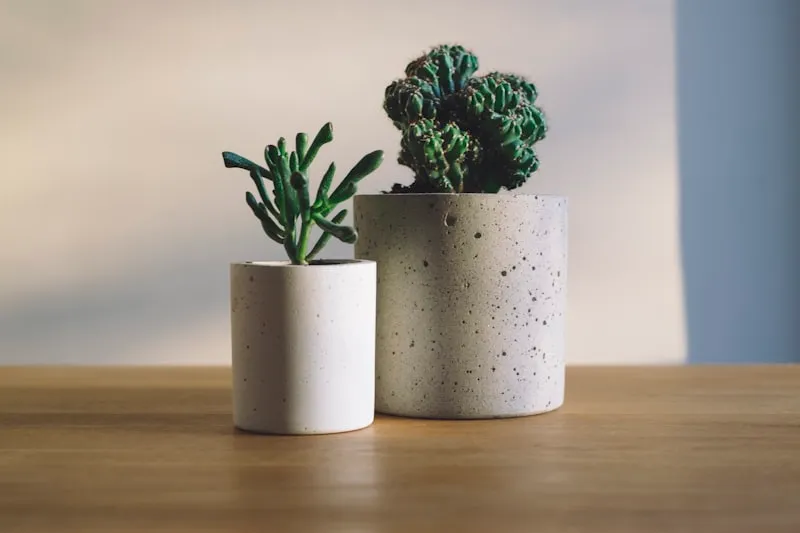
Most “feng shui plant” lists treat every green thing in a pot as automatically good for your home’s energy. It is not. A cactus in your relationship corner is not a design choice. It is an energetic statement, and not a good one.
This guide gives you ten plants with a specific feng shui reason for being in your home: each one placed in a particular bagua area, supporting a particular element, doing a particular job.
If you are new to the bagua system, read the bagua map guide first.
Why plants matter
Living plants produce living chi (氣). They are the Wood element in its purest indoor form. A healthy plant in the right bagua area feeds that area with Wood energy. In the wrong area, it clashes with the dominant element. A dying plant drains chi from whatever life sector it sits in.
This is why “any plant is good feng shui” is wrong. The plant has to be healthy, correctly placed, and shaped in a way feng shui values. See the five elements guide for how Wood interacts with Fire, Earth, Metal, and Water.
The 10 plants
1. Money Tree (Pachira aquatica)
Braided trunk, five-lobed leaves that map to the five elements. The money tree’s job is prosperity attraction. The upward growth pattern symbolizes rising income, not stagnant savings.
Bagua placement: Southeast wealth corner (Xun). A Wood-dominant area, and the money tree is Wood feeding Wood. Double reinforcement.
Element: Wood. Use a blue or green pot. Avoid red: Fire burns Wood.
Care: Bright indirect light, weekly watering. Overwatering turns leaves yellow. A yellow money tree sends the wrong signal. Keep it green.
2. Lucky Bamboo (Dracaena sanderiana)
Not actual bamboo, but the visual association matters. Bamboo symbolism in Chinese culture: flexes without breaking, grows fast, recovers. Stalk count matters: three for happiness, five for health, eight for abundance. Skip four; the word sounds like “death.”
Bagua placement: East family area (Zhen) or southeast wealth area. Growing in water rather than soil, it is Wood fed by Water, a productive five-element cycle.
Element: Wood plus Water. Clear glass container keeps the Water element visible.
Care: Change water weekly, indirect light. Cut out yellow stalks immediately.
3. Jade Plant (Crassula ovata)
Round, coin-shaped leaves. In feng shui, appearance matters, and round leaves trigger the prosperity association every time you see them.
Bagua placement: Southeast wealth corner or entryway near the front door. The front door is the mouth of chi; a jade plant just inside greets incoming energy with a prosperity signal.
Element: Wood with Earth (round leaves). Ceramic pot (Earth) in the Wood wealth zone gives balance.
Care: Bright light, let soil dry between waterings. Overwatering kills jade plants faster than neglect.
4. Peace Lily (Spathiphyllum)
Broad white flowers above dark green leaves. White is Metal in the five elements: clarity, precision, cutting through confusion. Also a top air-purifying plant for indoor spaces.
Bagua placement: Center of the home (Health, Tai Chi) or bedroom. The center governs overall balance; a peace lily here radiates calm outward to every other bagua area.
Element: Wood with Metal. Rare combination: growth softened by clarity.
Care: Water when leaves droop. Tolerates low light, blooms more in bright indirect light. Toxic to cats and dogs; keep out of pet reach.
5. Snake Plant (Sansevieria)
Controversial among feng shui purists because its leaves are upright and pointed. I include it anyway: its air-purifying capacity is unmatched, and when placed correctly, its assertive energy is a feature.
Bagua placement: Entryway or home office. Sword-like leaves create protective boundary energy. Never in the bedroom (yang energy versus sleep) or relationship corner (swords and romance do not mix).
Element: Wood with strong yang energy. Ground it with a heavy ceramic pot.
Care: Nearly impossible to kill. Low light, dry air, infrequent watering all fine. Only way to kill it is overwatering.
6. Pothos (Epipremnum aureum)
Trailing plant that cascades downward. In feng shui, trailing is yin (receptive) energy. Pothos softens sharp corners and masks architectural awkwardness.
Bagua placement: Any area with sharp angles or exposed beams. Also the east (family) or northeast (knowledge), where gentle downward flow creates a calm study atmosphere. Pair with crystals from our crystal guide tool for a focused northeast setup.
Element: Wood with yin energy. Downward Wood is rare and useful for softening.
Care: Very easy. Tolerates low light and irregular watering. Trim when vines get out of control.
7. Rubber Plant (Ficus elastica)
Large, broad, rounded leaves. Round is an Earth-element shape. This is the anchor plant: grounding, stabilizing, protective.
Bagua placement: Center of the home (Health) or relationships corner (southwest, Kun). In the center, it stabilizes the entire bagua. In the southwest, round leaves feed the Earth-dominant relationship sector.
Element: Wood with Earth. Terra cotta or ceramic pot doubles the grounding effect.
Care: Bright indirect light, water when top inch of soil is dry. Wipe leaves monthly. Dusty leaves block chi absorption.
8. Boston Fern (Nephrolepis exaltata)
A cloud of soft green fronds. Ferns create ambient life force without making a statement. They make a room feel alive without you knowing why.
Bagua placement: Bathroom (if it has a window) or kitchen. Bathrooms drain chi; a healthy fern near the window counteracts draining energy with active growth. For more bathroom strategies, see the small apartments guide.
Element: Wood with Water affinity. The fronds look almost like flowing Water, a productive element cycle in one plant.
Care: Needs humidity and consistent moisture. High maintenance. A crispy fern defeats the purpose. If you cannot commit to misting, pick a different plant.
9. Orchid (Phalaenopsis)
Blooms for months, rests for months. The energy is a cycle of display followed by quiet preparation, a healthier relationship rhythm than constant performance.
Bagua placement: Relationships corner (southwest, Kun) or creativity area (west, Dui). In relationships, it signals a partnership that is cultivated rather than taken for granted.
Element: Wood with Fire (the flowers). Purple orchids in the wealth corner combine Wood growth with purple prosperity color.
Care: Bright indirect light, water weekly, do not let roots sit in water. After blooming, cut the stem above a node and wait. The waiting is the point.
10. Chinese Evergreen (Aglaonema)
Patterned leaves in silver, green, and sometimes red. Multiple colors in one leaf means multiple elements in one plant. Cultivated in China for centuries.
Bagua placement: Any area with low natural light: hallways, north-facing rooms. A plant that thrives where others fail is doing active energetic work. The north (career, Kan) is a Water area; Wood fed by Water in a career sector signals growth.
Element: Wood with Water, Metal (silver), and sometimes Fire (red). Match variety to bagua area: silver for Metal zones (west, northwest), red for Fire zones (south, fame), green for Wood zones (east, southeast).
Care: Very easy. Low to medium light, water when dry. Brown leaf tips mean dry air or chlorinated tap water. Switch to filtered water.
At-a-glance: all 10 plants
| Plant | Feng Shui Function | Best Placement | Element | Care |
|---|---|---|---|---|
| Money Tree | Attracts prosperity | SE (wealth) | Wood | Easy-Moderate |
| Lucky Bamboo | Adaptable strength | E (family), SE (wealth) | Wood + Water | Very Easy |
| Jade Plant | Steady wealth build | SE (wealth), entryway | Wood + Earth | Easy |
| Peace Lily | Calming, clarifying | Center (health), bedroom | Wood + Metal | Easy-Moderate |
| Snake Plant | Protection, boundaries | Entryway, home office | Wood (yang) | Very Easy |
| Pothos | Softens harsh angles | E (family), NE (knowledge) | Wood (yin) | Very Easy |
| Rubber Plant | Grounding, stability | Center (health), SW (relationships) | Wood + Earth | Moderate |
| Boston Fern | Humidity, ambient life | Bathroom, kitchen | Wood + Water | Moderate-High |
| Orchid | Refinement, patience | SW (relationships), W (creativity) | Wood + Fire | Moderate |
| Chinese Evergreen | Low-light adaptability | N (career), hallways | Wood + multiple | Very Easy |
Best placement by room
Bedroom: Peace lily or orchid. Soft, calm energy. Never snake plant, cactus, or anything spiky. The bedroom needs yin for rest, not yang for fighting.
Home office: Lucky bamboo in the east corner (Wood = career growth). Snake plant near the door for protective boundaries. Rubber plant in the corner to ground the room when work stress mounts.
Living room: Money tree or rubber plant as an anchor near seating. Pothos to soften sharp corners. Three substantial plants at most. See the living room guide for full layout rules.
Kitchen: Chinese evergreen if dark, Boston fern if there is a window. Kitchen is Fire-dominant; plants add Wood, and Wood feeds Fire. Keep them away from direct heat.
Bathroom: Boston fern is best if you have a window. If you do not, use a crystal or mirror instead. Never put a plant in a windowless bathroom and let it die slowly.
Entryway: Jade plant or lucky bamboo just inside the door. The entryway is the mouth of chi. What you place here sets the tone for the entire home.
Three plants to avoid
Cacti and spiny succulents. Sharp points create sha qi: cutting energy. A cactus on your desk sends tiny energetic arrows at you all day. In the relationship corner, it signals intimacy is dangerous. Outdoor cacti are guardians. Indoor cacti are aggressors.
Dead or dying plants. A dying plant holds decay energy and broadcasts it into its bagua area. A yellow money tree in your wealth corner is a prosperity signal in reverse. If you cannot revive it, compost it. The guilt is less harmful than the energy of keeping it.
Bonsai. Bonsai cultivation takes patience, which is admirable. But feng shui interprets symbolism literally, and a bonsai is a tree deliberately stunted. In the career area, it can symbolize limited advancement. Place bonsai only in the knowledge area (northeast), where study and discipline make sense. Everywhere else, choose a plant that grows without constraint.
A dying plant is worse than no plant
A thriving plant adds living chi. A neglected plant drains it. If you are not confident you can keep a plant alive, buy one Easy plant from the table. Live with it for three months. Then add a second. Do not buy ten plants in one weekend and watch seven die. That is not feng shui. That is plant neglect with extra steps.
Paying attention to a living thing is itself good feng shui. It is the energy of care, and care is what makes a house a home.
Pairing plants with crystals
Plants and crystals work together in feng shui because they sit in different five-element cycles. Plants are Wood. Crystals are Earth. Wood controls Earth in the restraining cycle: a grounding crystal next to a growth-oriented plant creates balance. The plant prevents the crystal from feeling heavy. The crystal prevents the plant from feeling scattered.
For specific pairings matched to your bagua focus, try our crystal guide tool.
Frequently asked questions
Why are cacti considered bad feng shui?
Cacti have sharp points and spines, which create sha qi: cutting or attacking energy. Sharp objects pointing at you create subtle but constant stress. The same logic applies to thorny plants (indoor roses, crown of thorns) and spiky-leaved plants. If you love cacti, place them outside the front door as guardians, never in the bedroom or relationship corner.
Can fake plants work for feng shui?
No. Feng shui is about chi: living energy. A plastic plant has no chi. It is decoration, not feng shui. A silk plant in a dark hallway is understandable as decor, but do not pretend it is doing energetic work. If you cannot keep a real plant alive in a spot, use a crystal, art, or a mirror instead.
How many plants are too many?
When your home feels like a greenhouse, you have crossed the line. A good rule: one substantial plant per room, or one small plant per bagua area you want to activate. The plant should enhance the room, not dominate it. Over-planting is a Wood element excess, which feels chaotic and overwhelming.